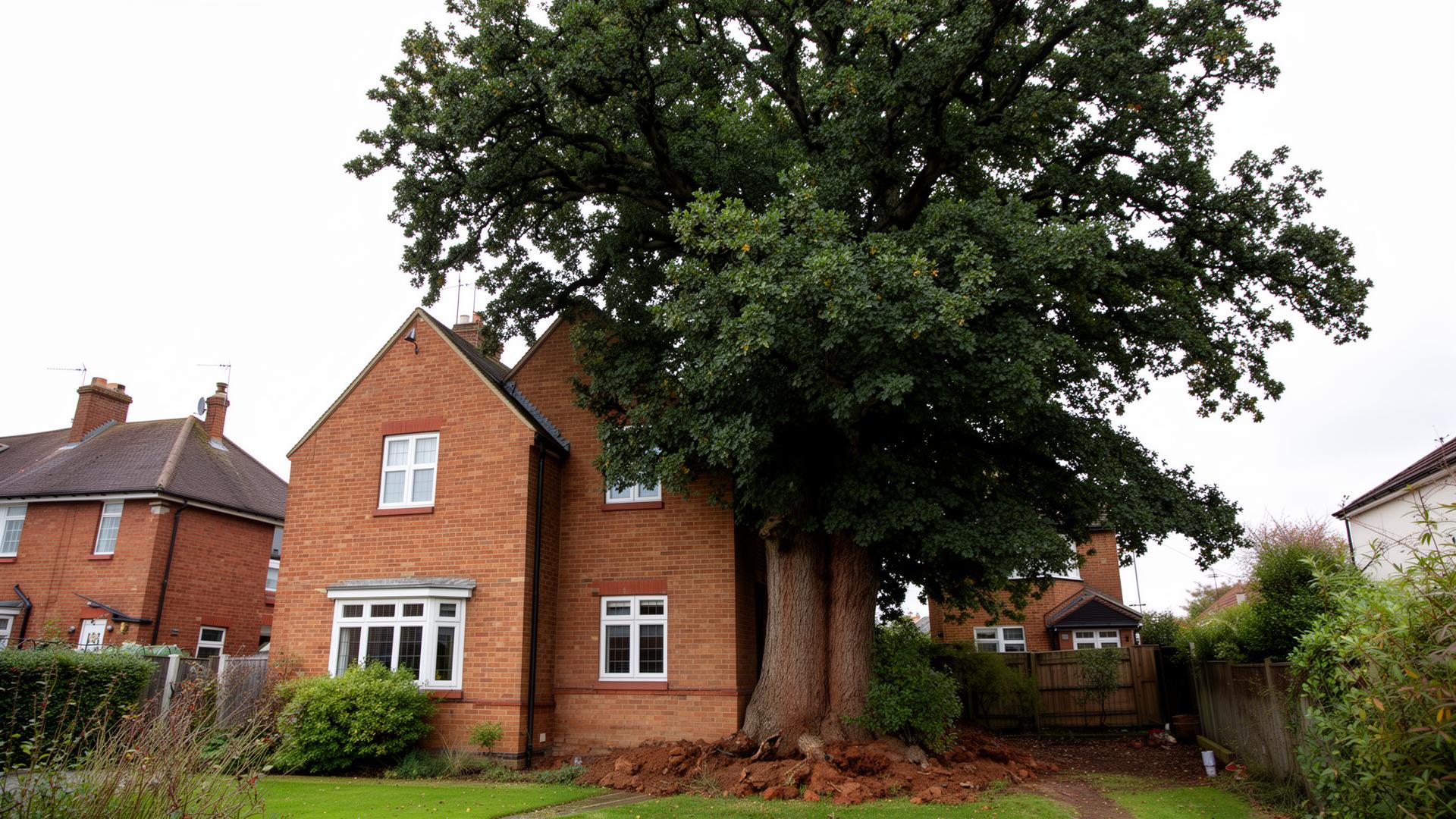
Subsidence is the downward movement of the ground beneath a building, taking part of the foundation with it. In the UK it is most often caused by clay soils shrinking in a dry summer, by tree roots drawing moisture out of those soils, by leaking drains washing fines from under a footing, or, in parts of the country with mining history, by the slow settlement of old workings beneath the surface.
True subsidence is far less common than the worry it causes. Insurance industry data suggests that fewer than one in fifty UK homes will ever make a subsidence claim, and the bulk of cracks reported to specialists each year turn out to be thermal movement, plaster shrinkage, or seasonal heave that reverses on its own. That is why a calm, evidence-led diagnosis matters so much. The wrong call leads to unnecessary underpinning, an inflated claim history on the property, and a sale price that suffers for years.
Where subsidence is confirmed, the route forward is well established. A structural engineer or chartered surveyor will set up monitoring, identify the cause, and write a method statement. In many cases the answer is removing a problem tree, repairing a drain, or grouting a void, rather than the full underpinning many homeowners fear. The aim is always to stabilise the cause first, then make good the building.
Does subsidence always need underpinning?
+
No. Modern practice is to fix the cause first. Drain repair, root barriers, and resin injection resolve a large share of cases without traditional underpinning.
Will subsidence make my house unsellable?
+
It will affect the conversation, but a stabilised property with proper documentation sells. Buyers and lenders want certainty, not a perfect history.
Can I claim on insurance?
+
Most UK buildings policies cover subsidence subject to an excess that is typically a thousand pounds or more. Claim handling is a process in itself, and a specialist can help you present the evidence properly.